
Mammoplasty
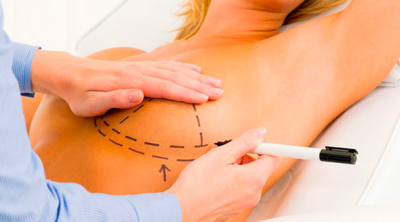
Mammoplasty
Mammoplasty is a plastic surgery procedure performed to improve the size, shape, and symmetry of the breasts. It may be performed for both cosmetic and reconstructive purposes, with each treatment plan tailored to the individual patient's needs and expectations.
Types of Mammoplasty
- Breast Augmentation - A procedure to increase breast volume using breast implants or, in selected cases, the patient's own fat tissue (fat grafting).
- Breast Reduction - A procedure that removes excess breast tissue, fat, and skin to reduce breast size, relieve physical discomfort, and achieve better body proportions.
- Breast Lift (Mastopexy) - A procedure designed to restore the shape and position of the breasts by removing excess skin and reshaping the breast tissue.
- Breast Reconstruction - A reconstructive procedure performed to restore the breast following mastectomy, trauma, or congenital breast deformities.
Who May Benefit from Mammoplasty?
Mammoplasty may be recommended for patients who wish to:
-
Increase or reduce breast size
-
Improve breast shape and symmetry
-
Restore breast contour after pregnancy, breastfeeding, aging, or significant weight loss
-
Undergo breast reconstruction following medical treatment or injury
Benefits of Mammoplasty
-
Personalized surgical planning
-
Improved body proportions and breast symmetry
-
Modern surgical techniques
-
Natural-looking aesthetic results
-
Enhanced self-confidence and quality of life
How Is the Procedure Performed?
Mammoplasty is performed under general anesthesia. The surgical technique depends on the type of procedure, the patient's anatomy, and the desired outcome. During the consultation, your surgeon will discuss the most appropriate treatment plan, expected results, and recovery process.
Recovery
Recovery varies depending on the type of mammoplasty performed. Most patients can gradually return to their normal daily activities within a few weeks, while final results continue to develop over the following months. Following your surgeon's postoperative instructions and attending follow-up appointments are essential for optimal healing and long-term results.