
Epidural anesthesia
Labor Pain Management
Labor pain occurs in two stages. The first begins when the uterus starts contracting and the cervix begins to dilate. This pain is typically dull and is often felt in the lower back and pelvic area. The second stage occurs later in labor, as the baby passes through the birth canal. At this stage, the pain becomes more intense and is concentrated in the vaginal, perineal, and rectal areas.
To relieve labor pain, two main types of medications are used: analgesics, which reduce pain, and anesthetics, which temporarily block sensation. Pain relief during childbirth may be provided through general, regional, or local anesthesia, depending on the clinical situation and the mother's preferences.
General Anesthesia
General anesthesia is primarily used for cesarean sections. The mother is asleep throughout the procedure and wakes after the baby is delivered. This type of anesthesia requires airway support through intubation and is used when medically indicated.
Epidural Anesthesia
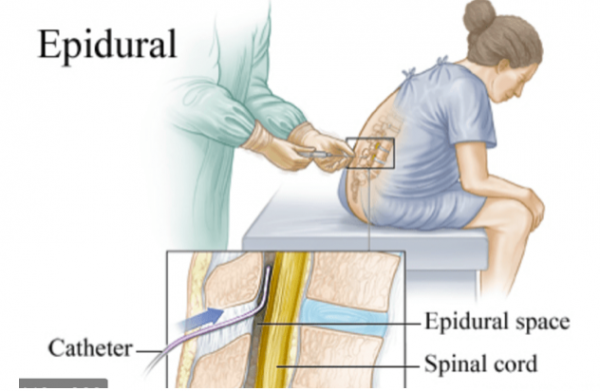
Epidural anesthesia is one of the most common methods of pain relief during both vaginal birth and cesarean delivery. A small catheter is placed into the epidural space in the lower back, allowing anesthetic medication to be administered continuously or as needed. Pain relief usually begins within 10–20 minutes while the mother remains awake and able to participate in the birth experience.
Spinal Anesthesia
Spinal anesthesia provides rapid and effective pain relief by injecting a small dose of anesthetic into the spinal fluid. Its effect begins almost immediately and typically lasts 1–2 hours. It is commonly used for cesarean sections and may also be appropriate in specific labor situations.
Local Anesthesia
Local anesthesia numbs a small area of the body and is most often used during an episiotomy or when repairing tears after childbirth. It acts immediately and provides targeted pain relief for minor procedures.
Our obstetric and anesthesia teams carefully assess each patient to recommend the safest and most appropriate pain management option, ensuring comfort and safety for both mother and baby.