
Advices before pregnancy
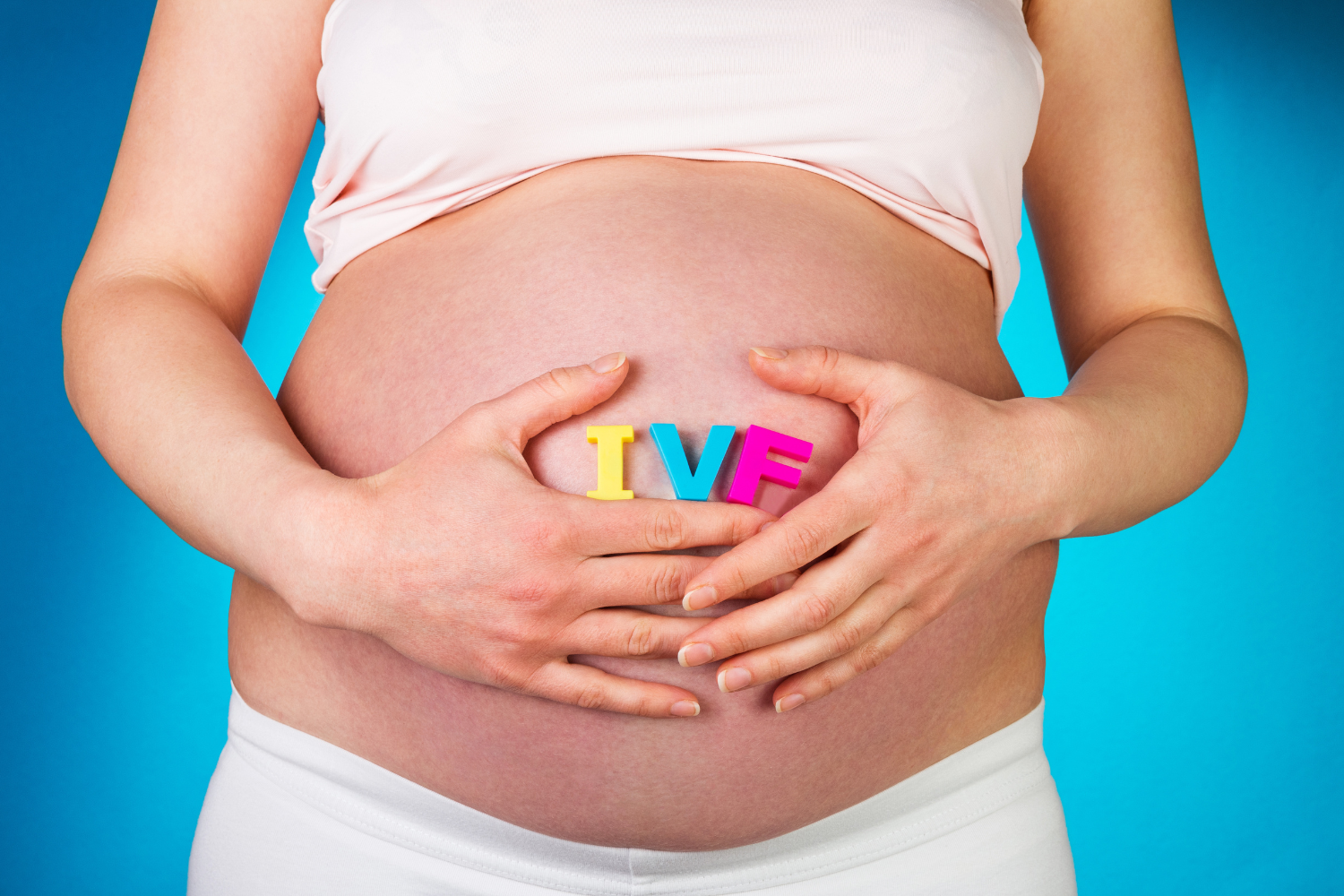
What Is In Vitro Fertilization (IVF)?
In vitro fertilization (IVF) is an assisted reproductive technology in which an egg is fertilized by sperm in a specialized laboratory. The resulting embryo is then transferred into the uterus, where it can implant and develop into a pregnancy.
Depending on several factors—particularly the woman's age—the success rate of IVF is approximately 30–40% per treatment cycle.
Today, more than 10 million babies worldwide have been born through IVF.
When Is IVF Recommended?
IVF is recommended when other fertility treatments have been unsuccessful or when natural conception is unlikely or impossible.
Your doctor may recommend IVF if:
- You have been trying to conceive unsuccessfully for two years or longer.
- Your fallopian tubes are blocked or have been removed, preventing the egg and sperm from meeting naturally.
- You have severe male factor infertility, where sperm quality significantly reduces the chance of natural conception.
- Other infertility treatments have not resulted in pregnancy.
In cases of severe male infertility, IVF—particularly when combined with ICSI (Intracytoplasmic Sperm Injection)—can significantly increase the likelihood of successful fertilization.
Who May Benefit from IVF?
IVF may be recommended if:
- You have been unable to conceive after two or more years of trying.
- Your fallopian tubes are blocked or absent.
- The woman is of advanced reproductive age (over 40 years).
- Semen analysis shows significantly abnormal sperm parameters.
- Previous infertility treatments have been unsuccessful.
What Tests Are Required Before IVF?
Before starting IVF treatment, both partners undergo a comprehensive fertility assessment, which may include:
- Hormonal testing
- Immunological evaluation
- Bacteriological testing
- Ultrasound examination
- Semen analysis
For the most accurate semen analysis, 2 days of sexual abstinence is recommended, and alcohol consumption should be avoided before sample collection.
When indicated, a genetic consultation may also be recommended.
What Are the Chances of Pregnancy After IVF?
The success of IVF depends on several factors, including:
- The woman's age
- Previous fertility treatments
- History of previous pregnancies
- Egg and sperm quality
Female age is one of the most important predictors of IVF success. Fertility gradually declines after the age of 38, reducing the likelihood of pregnancy using a woman's own eggs.
In many women over the age of 44, successful pregnancy is often possible only with the use of donor eggs.
What Happens During an IVF Consultation?
First Consultation
During your initial visit, your fertility specialist will:
- Review your medical history and fertility evaluation.
- Explain why IVF is recommended in your specific case.
- Discuss the expected success rates, potential risks, and treatment process.
- Review the informed consent documents.
- Order the necessary laboratory tests.
Second Consultation
At your follow-up appointment:
- You will return the signed informed consent forms.
- Your doctor will review your test results and develop an individualized treatment plan.
- A fertility nurse will teach you how to administer the stimulation injections.
- The estimated timing for egg retrieval will be scheduled.
Ovarian Stimulation and Monitoring
During ovarian stimulation, you will usually visit the clinic 3–4 times over approximately two weeks for:
- Ultrasound monitoring of follicle growth
- Hormonal blood tests
Each visit generally lasts 30–60 minutes.
Our team will teach you how to safely administer the prescribed hormone injections yourself, allowing you to continue treatment comfortably at home.
How Many Visits Are Required?
The complete IVF process typically involves 8–10 clinic visits, depending on your individualized treatment plan.
The duration of each visit may range from 30 minutes to several hours, depending on the stage of treatment.


