
Advices after pregnancy
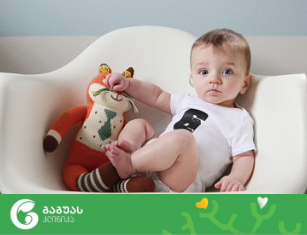
6 Months
By 6 Months of Age, Your Baby Should Be Able To:
-
Lift their head and chest while lying on their tummy.
-
Reach for and touch hanging toys.
-
Grasp objects and play with them.
-
Follow moving objects with their eyes.
-
Roll over in both directions (from back to tummy and from tummy to back).
-
Sit with support.
-
Explore objects by touching them and bringing them to their mouth, and imitate sounds and facial expressions.
-
Respond to their own name and recognize familiar faces.
Tips for Parents and Caregivers
-
Place your baby on a clean, firm, and safe surface where they can move freely and reach for toys and other objects.
-
Once complementary feeding begins, provide your baby with their own plate and cup.
-
Hold or position your baby so they can observe the people and activities around them.
-
Continue breastfeeding on demand, both day and night, while introducing complementary foods:
-
2 meals per day between 6–8 months of age.
-
3–4 meals per day between 8–12 months of age.
-
Talk, read, and sing to your baby as often as possible to support language and social development.
Warning Signs That Require Medical Attention
Contact your doctor if your baby has any of the following:
-
Stiffness of the arms or legs, or limited movement.
-
Constant head turning or repetitive head movements (this may be a sign of an ear infection, which, if left untreated, can lead to hearing problems).
-
Little or no response to familiar faces or to breastfeeding.
-
Refusal to breastfeed or eat other foods.


