
Advices after pregnancy
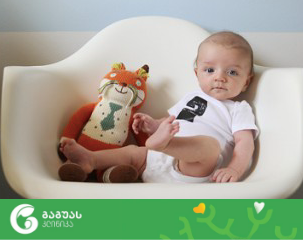
2 Months
By 2 months of age, your baby spends noticeably less time sleeping than during the newborn period. Longer periods of wakefulness appear throughout the day, while daytime naps gradually become shorter.
A more regular nighttime sleep pattern begins to develop. Most babies now sleep for 10–12 hours at night, including feeding intervals, during which they may feed without fully waking.
Physical Development
By this age, your baby may be able to:
- Lift their head to a 45-degree angle while lying on their tummy.
- Roll from their side onto their back.
- Hold their head upright for 1–2 minutes when supported in a vertical position.
- Follow moving objects with their eyes.
- Turn their head toward the source of a sound.
- Show a gradual reduction in muscle tightness (physiological hand hypertonia).
Social and Emotional Development
Your baby may:
- Become excited when seeing their mother, expressing this by moving their arms and legs, smiling, and cooing.
- Calm down when hearing a familiar voice.
- Smile in response to gentle interaction.
- Recognize familiar voices.
- Begin to coo.
How You Can Support Your Baby's Development
Hang brightly colored toys or objects with simple shapes above your baby's crib or play area. Visual stimulation helps support the development of color and shape recognition, encouraging healthy sensory and cognitive development.