
Advices before pregnancy
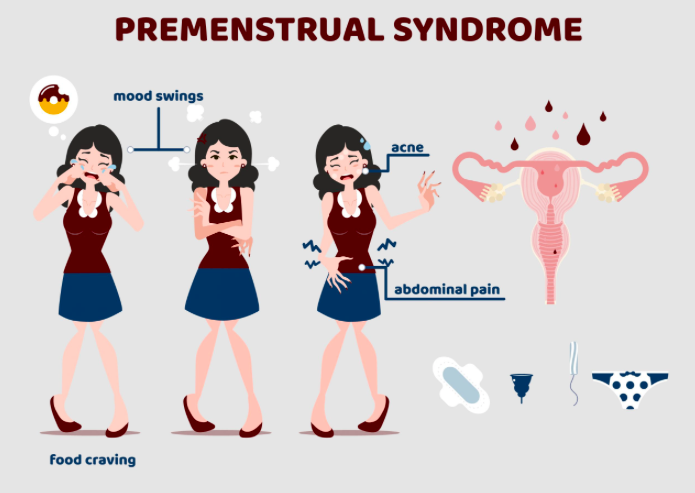
Premenstrual Syndrome (PMS)
Premenstrual Syndrome (PMS) is a condition that affects a woman's physical, emotional, and behavioral well-being during the second half of the menstrual cycle, most commonly in the days leading up to menstruation.
More than 90% of women experience at least some symptoms of PMS.
PMS symptoms typically appear 5–11 days before menstruation and usually resolve once the menstrual period begins.
Risk Factors
- History of depression or mood disorders (including postpartum depression or bipolar disorder)
- Emotional stress
- Physical trauma
- Family history of PMS
- Domestic violence
- Substance dependence
Common Symptoms of PMS
PMS symptoms can range from mild to severe. Approximately 80% of women experience one or more symptoms, which usually do not significantly interfere with their daily activities or quality of life.
Common symptoms include:
- Lower abdominal pain or cramping
- Bloating, constipation, or diarrhea
- Breast tenderness and swelling
- Acne
- Increased cravings for sweets and carbohydrates
- Headache
- Increased sensitivity to light and sound
- Fatigue
- Irritability
- Sleep disturbances
- Mood swings
- Depression
- Negative thoughts
Premenstrual Dysphoric Disorder (PMDD)
Premenstrual Dysphoric Disorder (PMDD) is a more severe form of PMS that affects approximately 3–8% of women.
Symptoms usually develop 1–2 weeks before menstruation.
Symptoms of PMDD
- Severe depression
- Suicidal thoughts
- Panic attacks
- Severe anxiety or agitation
- Marked irritability and significant mood changes
- Episodes of unexplained crying
- Loss of interest in everyday activities
- Insomnia
- Difficulty concentrating
- Increased appetite
- Severe muscle pain
- Gastrointestinal disturbances
What Causes PMS and PMDD?
The exact cause of PMS and PMDD remains unknown.
Current research suggests that these conditions are associated with hormonal fluctuations and changes in serotonin levels before menstruation.
During certain phases of the menstrual cycle, levels of estrogen and progesterone rise. These hormonal changes may contribute to mood swings, irritability, and emotional sensitivity. Ovarian steroid hormones can also influence brain regions involved in emotional regulation.
Serotonin, a neurotransmitter involved in mood regulation, also plays an important role in emotional well-being and may contribute to PMS and PMDD symptoms.
When Should You See a Doctor?
If you experience symptoms of PMS or PMDD, it is recommended to consult your healthcare provider. In some cases, referral to a psychiatrist may also be beneficial as part of a multidisciplinary treatment approach.
Seek medical advice if your symptoms interfere with your daily life, work, relationships, or overall quality of life.
Your doctor may recommend additional evaluation to rule out other conditions with similar symptoms, including:
- Anemia
- Endometriosis
- Thyroid disorders
- Irritable bowel syndrome (IBS)
- Chronic fatigue syndrome
- Early pregnancy
Treatment
Although there is currently no definitive cure or method to completely prevent PMS or PMDD, a variety of treatments can effectively reduce symptoms and improve quality of life.
Self-Care Recommendations
- Drink plenty of water to help reduce bloating.
- Follow a healthy, balanced diet and limit sugar, salt, caffeine, and alcohol.
- Discuss with your doctor whether supplements such as folic acid, vitamin D, vitamin B6, calcium, or magnesium may be appropriate for you.
- Aim for 7–9 hours of quality sleep each night.
- Reduce stress through regular physical activity, relaxation techniques, or reading.
- Keep a symptom diary to track your menstrual cycle and daily symptoms. This information can help your doctor make an accurate diagnosis and recommend the most appropriate treatment.


