
Advices before pregnancy
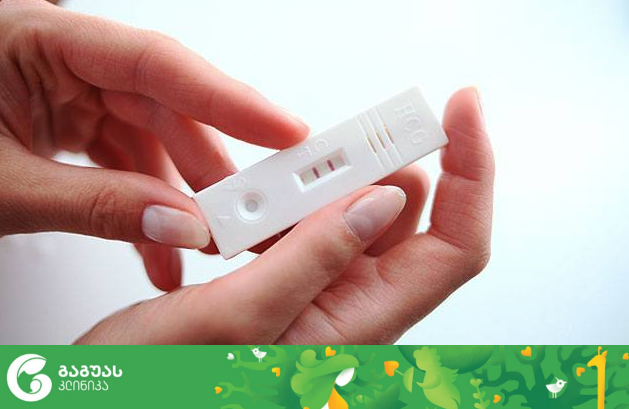
Early Signs of Pregnancy
Tender Breasts
During the first two weeks after conception, your breasts may become more sensitive, swollen, or tender. This occurs because your body begins producing increased levels of progesterone and estrogen, which prepare the breasts for pregnancy and breastfeeding.
Lower Back and Abdominal Pain
Many women mistake these symptoms for premenstrual cramps. However, mild lower abdominal or lower back discomfort can occur in early pregnancy as the uterus begins to grow and adapt to support the developing embryo.
Light Vaginal Bleeding
Some women may notice a small amount of light vaginal bleeding or spotting during the first days of pregnancy. This is often related to implantation, when the fertilized egg attaches to the lining of the uterus. However, any bleeding during pregnancy should be evaluated by a healthcare provider.
Dizziness and Fatigue
During early pregnancy, your body works harder to support your growing baby. As a result, many women experience fatigue, weakness, or dizziness.
What can you do?
- Get plenty of rest.
- Take prenatal vitamins as recommended by your doctor.
- Drink up to 2 liters of water daily, unless otherwise advised.
- Follow a healthy, balanced diet.
Nausea
One of the earliest and most common signs of pregnancy is morning sickness. It affects approximately 85% of pregnant women and usually continues until the end of the first trimester. Pregnancy-related nausea is associated with rising levels of human chorionic gonadotropin (hCG).
Bloating
In early pregnancy, increased progesterone levels slow down bowel function, which may lead to bloating and a feeling of abdominal fullness.
Frequent Urination
Although frequent urination is commonly associated with late pregnancy, it can also occur during the first trimester. This is mainly due to increased blood flow to the kidneys and hormonal changes.
Mood Swings
Do you find your mood changing frequently throughout the day? This is common in early pregnancy and is largely caused by increasing levels of human chorionic gonadotropin (hCG) and other pregnancy hormones.


