
Advices after pregnancy
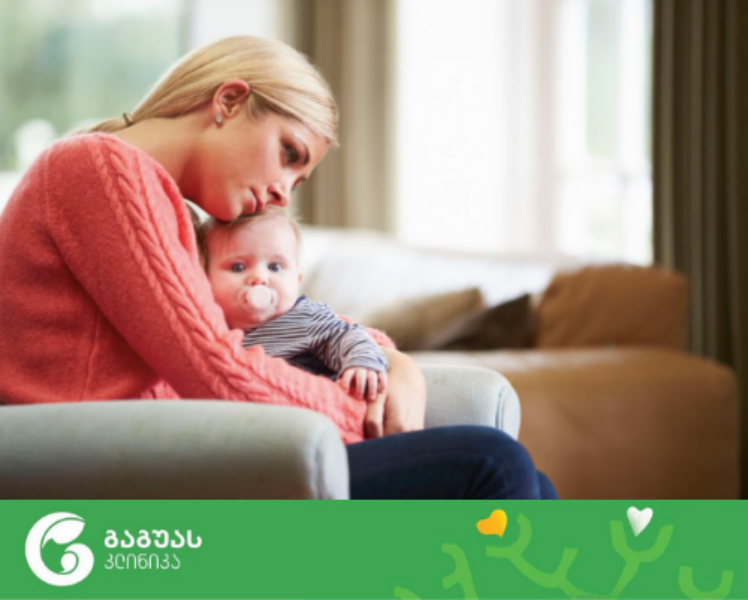
Postpartum depression
Most mothers experience emotional vulnerability during the early postpartum period. This is a completely normal response to childbirth, hormonal changes, sleep disruption, and adjustments to a new family routine.
The most common emotional change during the postpartum period is the "baby blues," affecting approximately 70–80% of new mothers. It is often associated with hormonal fluctuations, emotional adjustment, limited information, and reduced contact with family and friends during the first days after delivery.
However, in about 13% of women, feelings of sadness are more intense and persist for several weeks. This may be a sign of postpartum depression, a more serious condition that requires medical evaluation and support.
Postpartum psychosis is a rare complication (approximately 1% of cases), but it is a medical emergency. With early diagnosis and appropriate treatment, mothers can recover and return to their normal daily lives while maintaining a healthy bond with their baby.